Are you looking to enhance your health and well-being as you age gracefully? If you're seeking a way to feel young, vibrant, and full of energy, the Mediterranean diet could be the key to unlocking the fountain of youth. This time-tested approach to nutrition is not just a diet —— it's a lifestyle that promotes longevity, vitality, and overall wellness.

What is the Mediterranean Diet?
The Mediterranean diet is inspired by the traditional eating habits of people living in countries bordering the Mediterranean Sea, such as Italy, Greece, and Spain. It emphasizes the consumption of fresh fruits and vegetables, whole grains, lean proteins, healthy fats, and an abundance of herbs and spices.
Why Choose the Mediterranean Diet?
• Promotes Heart Health: The Mediterranean diet has been shown to lower the risk of heart disease and stroke. Its emphasis on olive oil, nuts, and fish rich in omega-3 fatty acids can improve cholesterol levels and reduce inflammation in the body.
• Supports Brain Function: Research suggests that the Mediterranean diet can help protect cognitive function as you age, reducing the risk of cognitive decline and Alzheimer's disease.
• Aids in Weight Management: With its focus on nutrient-dense foods and portion control, the Mediterranean diet can help you maintain a healthy weight and prevent obesity-related diseases.
• Boosts Longevity: Studies have found that adhering to the Mediterranean diet is associated with a longer life expectancy. Its anti-inflammatory and antioxidant-rich foods can help slow down the aging process and improve overall health.
Practical Tips for Embracing the Mediterranean Diet
1 Load Up on Fruits and Vegetables: Aim to fill half of your plate with colorful fruits and vegetables at every meal. These nutrient-packed foods provide vitamins, minerals, and antioxidants that support overall health.
2 Choose Whole Grains: Opt for whole grains like quinoa, brown rice, and whole wheat bread over refined grains. Whole grains are high in fiber, which can aid in digestion and help you feel full longer.
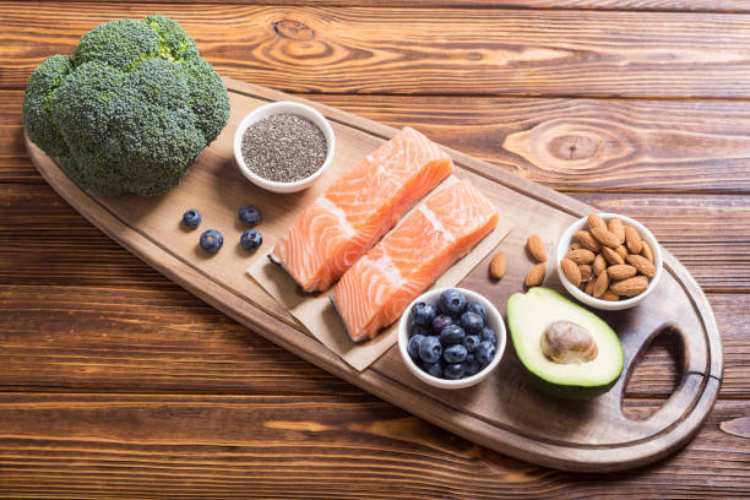
3 Include Healthy Fats: Incorporate sources of healthy fats such as olive oil, nuts, seeds, and fatty fish like salmon into your diet. These fats are essential for brain health and can help reduce inflammation in the body.
4 Limit Red Meat: While the Mediterranean diet does include lean sources of protein like poultry and fish, it's important to limit your intake of red meat. Try to enjoy meatless meals with beans, lentils, or tofu instead.
5 Enjoy Regular Physical Activity: In addition to following a nutritious diet, staying active is crucial for overall health and longevity. Aim to engage in regular exercise, whether it's walking, swimming, yoga, or dancing.
Mouthwatering Mediterranean Recipes for Older Adults
1 Mediterranean Vegetable Quinoa Bowl: Combine cooked quinoa with roasted vegetables like bell peppers, zucchini, and cherry tomatoes. Drizzle with olive oil, lemon juice, and a sprinkle of feta cheese for a flavorful and satisfying meal.
2 Greek Chicken Souvlaki: Marinate cubed chicken in Greek yogurt, garlic, lemon juice, and herbs before grilling. Serve with a side of Greek salad and whole wheat pita bread for a delicious and protein-rich dish.
3 Mediterranean Stuffed Peppers: Fill halved bell peppers with a mixture of cooked quinoa, chickpeas, tomatoes, and feta cheese. Bake until peppers are tender and top with fresh herbs for a nutritious and flavorful meal.
Embrace the Mediterranean Diet for a Healthier, Happier You!
In conclusion, the Mediterranean diet offers a wealth of benefits for older adults looking to improve their health and well-being. By incorporating fresh, wholesome foods into your daily meals and embracing a balanced lifestyle, you can enjoy the many advantages of this time-honored way of eating. Say goodbye to feeling sluggish and tired 鈥 say hello to a healthier, happier you with the Mediterranean diet!