In today's world, a cancer diagnosis can be a daunting prospect. However, with early detection and advances in treatment options, ovarian cancer no longer has to be a life-threatening disease. This comprehensive guide aims to empower women with the knowledge they need to navigate through the challenges of ovarian cancer.
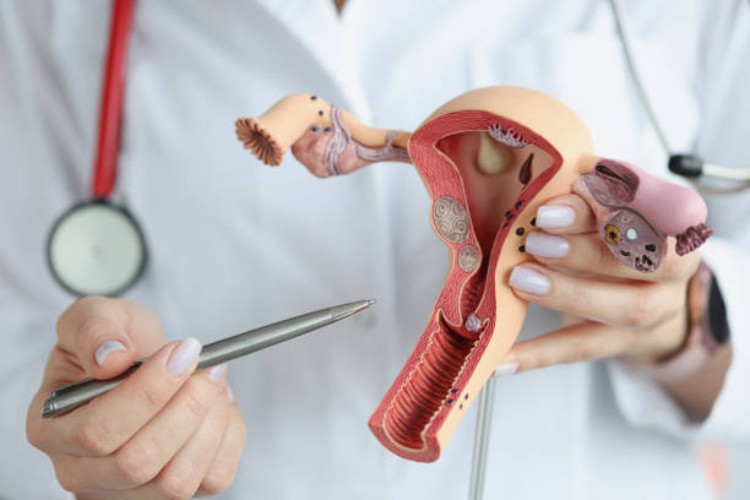
Understanding Ovarian Cancer
Ovarian cancer is often referred to as the "silent killer" because its symptoms are vague and easily overlooked. Symptoms may include bloating, pelvic or abdominal pain, difficulty eating, and frequent urination. If you experience any of these symptoms persistently, it is crucial to consult with your healthcare provider for further evaluation.
Diagnosis and Screening
Diagnosing ovarian cancer early is key to successful treatment. Diagnostic tests may include a pelvic exam, ultrasound, blood tests for biomarkers such as CA-125, and imaging tests such as CT scans or MRIs. It is also important to discuss your family history with your healthcare provider, as a family history of ovarian or breast cancer may increase your risk.
Treatment Options
Once diagnosed, your healthcare team will work with you to create a treatment plan tailored to your individual needs. Treatment options for ovarian cancer may include surgery to remove the tumor, chemotherapy to kill cancer cells, radiation therapy to target specific areas, and hormone therapy to inhibit cancer cell growth.
Survivor Stories
Survivor stories can provide hope and inspiration to those facing a diagnosis of ovarian cancer. Hearing firsthand accounts of others who have overcome this disease can offer reassurance and encouragement during difficult times. It is important to remember that every individual's journey with cancer is unique, and that there is always hope for a positive outcome.
Coping Strategies and Support
Coping with a cancer diagnosis can be challenging, both emotionally and physically. It is important to take care of yourself during treatment by eating healthily, staying physically active, and seeking support from friends, family, or support groups. Additionally, palliative care can help manage symptoms and improve the quality of life for both patients and their families.
Caregiving Resources
Caregivers play a vital role in supporting patients with ovarian cancer. Caregiving resources are available to provide assistance and guidance on how to best care for your loved one during their cancer journey. These resources can range from practical tips on managing medications and appointments to emotional support for caregivers themselves. In conclusion, navigating ovarian cancer can be a challenging journey, but with the right information and support, women can empower themselves to face this disease head-on. By understanding the importance of early detection, exploring treatment options, and seeking support from healthcare providers and loved ones, women can take control of their cancer journey and strive for a positive outcome. Remember, you are not alone in this fight, and there is hope for a brighter tomorrow.