Are you 55 or older and looking to learn more about shingles? Well, you've come to the right place. In this guide, we will provide you with essential information about shingles, including its early signs, symptoms, and treatment options. So, let's dive in and arm yourself with the knowledge to protect against this painful condition. If you begin exploring the following options, you'll unlock exclusive discounts tailored to your health needs.
What is Shingles?
Shingles, also known as herpes zoster, is a viral infection caused by the reactivation of the varicella-zoster virus, the same virus that causes chickenpox. After a person recovers from chickenpox, the virus remains dormant in the nerve tissue near the spinal cord and brain. It can reactivate years later, causing shingles.
What are the Early Signs and Symptoms?
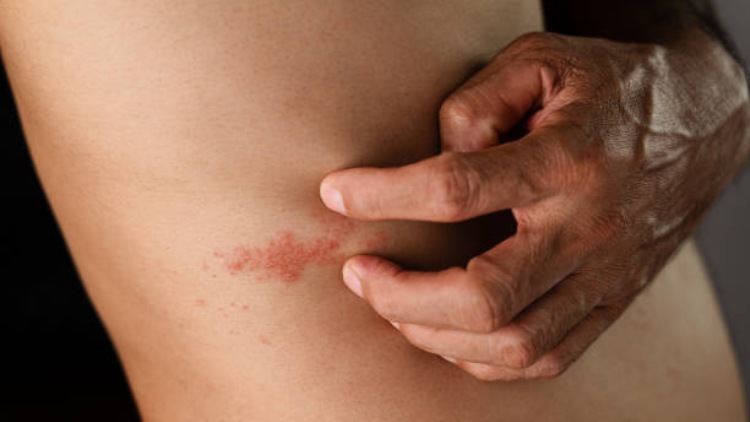
The early signs of shingles include pain, tingling, or itching on one side of the body, usually in a band or strip. This is often followed by a rash that turns into clusters of fluid-filled blisters. Other symptoms may include fever, headache, and sensitivity to light.
Who is at Risk?
Adults 55 and older are at a higher risk of developing shingles, as the immune system weakens with age. Additionally, those with weakened immune systems due to conditions like HIV/AIDS or certain medications are also more susceptible to shingles.
How is Shingles Treated?
Treatment for shingles aims to reduce the severity of symptoms, shorten the duration of the illness, and prevent complications. Antiviral medications can help speed up the healing of the rash and reduce the risk of nerve damage. Pain medications, anti-inflammatory drugs, and topical creams may also be prescribed to alleviate discomfort.
Preventing Shingles
The best way to prevent shingles is by getting vaccinated. The shingles vaccine is recommended for adults 50 and older and is highly effective in reducing the risk of developing the condition. Maintaining a healthy lifestyle, including eating a balanced diet, exercising regularly, and managing stress, can also help boost the immune system and lower the risk of shingles.
In conclusion, shingles can be a painful and debilitating condition, especially for adults 55 and older. By understanding the early signs, symptoms, and treatment options, you can arm yourself with the knowledge to protect against this common ailment. Remember, prevention is key, so talk to your healthcare provider about getting vaccinated and take steps to maintain a healthy lifestyle. Stay informed, stay healthy, and stay protected against shingles.