Hey there, seniors aged 55 and above! Are you feeling tired during the day, even after a full night's sleep? Do you wake up gasping for air in the middle of the night? These could be signs of a silent threat known as sleep apnea. In this article, we will explore the dangers of sleep apnea, how it can impact your health and quality of life, and why seeking treatment is crucial for a happier, healthier you.
Understanding Sleep Apnea
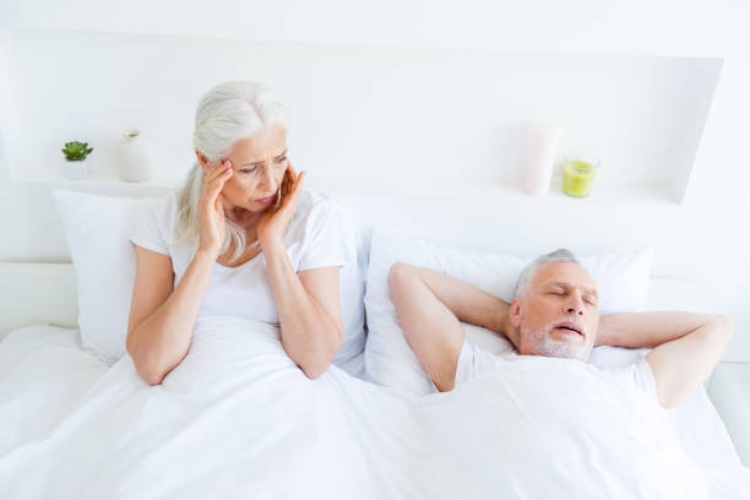
What is Sleep Apnea? Sleep apnea is a common sleep disorder where your breathing repeatedly stops and starts while you sleep. This can lead to a decrease in oxygen levels in your blood and disrupt your sleep cycles, leaving you feeling tired and groggy during the day. Types of Sleep Apnea There are three main types of sleep apnea:
1 Obstructive Sleep Apnea (OSA): This is the most common form of sleep apnea, where the throat muscles relax and block the airway.
2 Central Sleep Apnea: This occurs when the brain fails to signal the muscles to breathe.
3 Complex Sleep Apnea Syndrome: A combination of both obstructive and central sleep apnea.
Signs and Symptoms
Common Signs of Sleep Apnea
• Loud snoring
• Gasping for air during sleep
• Daytime fatigue
• Morning headaches
• Difficulty concentrating
• Irritability
• Depression Why Seniors are at Risk As we age, the muscles in our throat tend to weaken, making seniors more susceptible to sleep apnea. Other risk factors include being overweight, having a family history of sleep apnea, and smoking.
The Impact on Health and Quality of Life
Untreated sleep apnea can have serious consequences on your health and overall well-being. It has been linked to:
• High blood pressure
• Heart disease
• Stroke
• Diabetes
• Depression
• Memory issues
• Decreased quality of life
Seeking Treatment
Why Treatment is Important Many seniors may ignore the signs of sleep apnea, attributing them to aging. However, untreated sleep apnea can have detrimental effects on your health. Seeking treatment can improve your sleep quality, reduce daytime fatigue, and lower your risk of developing associated health conditions. Treatment Options
• Continuous Positive Airway Pressure (CPAP) therapy
• Oral appliances
• Lifestyle changes (weight loss, quitting smoking)
• Surgery (in severe cases)
Don't let sleep apnea go unnoticed and untreated. If you suspect you have sleep apnea, consult with your healthcare provider for a proper diagnosis and treatment plan. By addressing this silent threat, you can improve your sleep, enhance your health, and enjoy a better quality of life in your golden years.