Are you intrigued by the idea of using radioactive materials to diagnose and treat diseases? Do you have a keen interest in medical imaging and technology? If so, a career as a nuclear medicine technologist may be just what you're looking for. In this article, we will explore the world of nuclear medicine technology, from the education and training required to the latest trends shaping the industry.
What is a Nuclear Medicine Technologist?
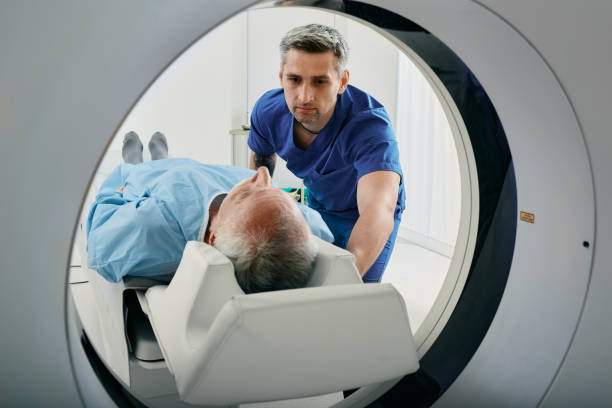
A nuclear medicine technologist is a highly skilled healthcare professional who specializes in performing imaging procedures using radioactive materials. These procedures, known as nuclear medicine scans, are used to diagnose and treat a variety of medical conditions, including cancer, heart disease, and neurological disorders.
Nuclear medicine technologists work closely with radiologists and other healthcare professionals to ensure that patients receive the best possible care. They must have a thorough understanding of radiation safety and be able to operate complex imaging equipment with precision and accuracy.
Education and Training:
To become a nuclear medicine technologist, you will need to complete a formal education program in nuclear medicine technology. These programs are typically offered at the associate's or bachelor's degree level and include a combination of classroom instruction and clinical training.
In addition to formal education, nuclear medicine technologists must also obtain certification from a recognized accrediting body, such as the American Registry of Radiologic Technologists (ARRT) or the Nuclear Medicine Technology Certification Board (NMTCB). Certification requirements vary by state, so be sure to check the specific regulations in your area.
Recent Trends in Nuclear Medicine:
As technology continues to advance, the field of nuclear medicine is also evolving rapidly. One of the most exciting trends in nuclear medicine is the development of new imaging techniques that offer greater accuracy and clarity than ever before.
For example, positron emission tomography (PET) scans are becoming increasingly popular for diagnosing and monitoring a variety of conditions, including cancer and heart disease. These scans provide detailed images of the body's internal structures and can help healthcare professionals make more accurate diagnoses and treatment decisions.
The Future of Nuclear Medicine:
Looking ahead, the future of nuclear medicine is bright. Advances in artificial intelligence and machine learning are opening up new possibilities for image analysis and interpretation, allowing healthcare professionals to provide more personalized and effective care to their patients.
With the demand for medical imaging services on the rise, nuclear medicine technologists are poised to play a vital role in the healthcare industry for years to come. By staying up-to-date on the latest trends and technologies in the field, you can position yourself for a successful and rewarding career as a nuclear medicine technologist.
A career as a nuclear medicine technologist offers a unique opportunity to work at the intersection of healthcare and technology. If you have a passion for helping others and a knack for technology, this may be the perfect career path for you. With the right education, training, and certification, you can embark on a fulfilling career in this dynamic and rapidly growing field.