Solar panels are a fantastic way to harness the power of the sun and reduce your reliance on traditional sources of energy. Installing solar panels on your roof can not only help you save money on your electricity bills but also reduce your carbon footprint. However, the process of installing solar panels can be complex and requires careful planning to ensure a safe and successful installation. In this article, we will provide you with a step-by-step guide to safely installing solar panels on your roof.
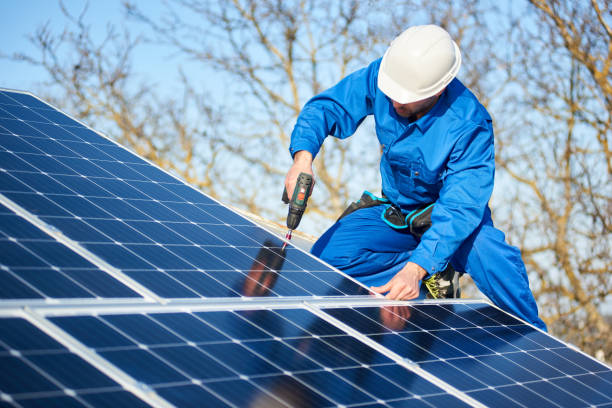
Assessing roof suitability for solar panel installation
Before you can begin the process of installing solar panels on your roof, you must first assess the suitability of your roof. Factors to consider include the orientation of your roof, the amount of sunlight it receives, and any potential obstructions such as trees or buildings. It is also essential to evaluate the structural integrity of your roof to ensure that it can support the weight of the solar panels.
Obtaining necessary permits and approvals
Once you have determined that your roof is suitable for solar panel installation, you will need to obtain the necessary permits and approvals from your local government or homeowner's association. These permits are essential to ensure that your solar panel system complies with building codes and regulations.
Selecting the right solar panels for your energy needs
When choosing solar panels for your home, it is essential to consider factors such as efficiency, durability, and warranty. Work with a reputable solar panel provider to select panels that are well-suited to your energy needs and budget.
Hiring a professional solar panel installer
Installing solar panels on your roof is a complex task that requires the expertise of a professional. Hiring a licensed and experienced solar panel installer will ensure that your system is installed correctly and safely.
Ensuring proper mounting and securing of solar panels
Proper mounting and securing of solar panels are crucial to ensure their performance and longevity. Make sure that your installer uses high-quality mounting hardware and follows best practices for securing the panels to your roof.
Connecting solar panels to the electrical system
Once the solar panels are installed on your roof, they must be properly connected to your home's electrical system. This process should be performed by a qualified electrician to ensure that your system is safe and compliant with electrical codes.
Testing and inspecting the solar panel system
After the solar panels are installed and connected, it is essential to test and inspect the system to ensure that it is functioning correctly. This includes checking for proper wiring, monitoring the system's performance, and addressing any issues that may arise.
Implementing safety measures during installation
Safety should always be a top priority during the installation of solar panels. Make sure that your installer follows safety protocols and guidelines to protect themselves and your home during the installation process.
Understanding maintenance requirements for solar panels
Finally, it is essential to understand the maintenance requirements for your solar panels to ensure their long-term performance. Regular cleaning and inspection of your panels can help prevent issues and maximize their efficiency.
Installing solar panels on your roof can be a great way to save money and reduce your environmental impact. By following this step-by-step guide and working with a professional installer, you can safely and successfully install solar panels on your roof. Shine bright with solar power!