Lab grown diamonds have been making waves in the jewelry industry in recent years. But what exactly are lab grown diamonds, and how do they differ from traditional mined diamonds? In this article, we will delve into the world of lab grown diamonds and explore their benefits, drawbacks, and future outlook.
What are Lab Grown Diamonds?
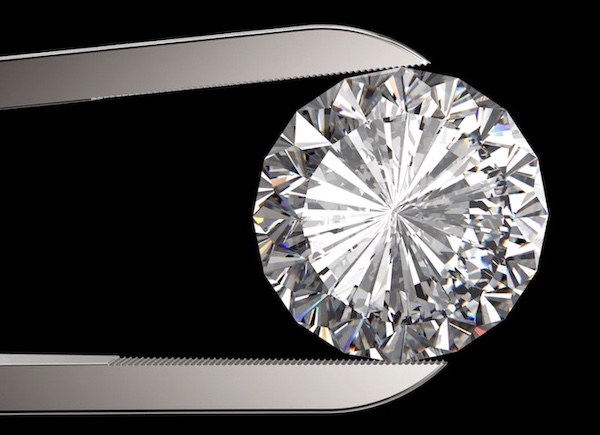
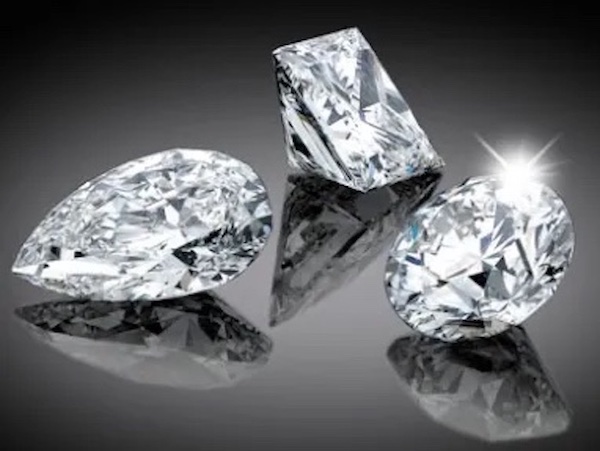
Lab grown diamonds, also known as synthetic diamonds or man-made diamonds, are created in a laboratory setting rather than being formed naturally underground over millions of years. These diamonds have the same chemical composition, physical properties, and crystal structure as mined diamonds, making them indistinguishable to the naked eye.
How are Lab Grown Diamonds Made?
Lab grown diamonds are created using two main methods: High Pressure High Temperature (HPHT) and Chemical Vapor Deposition (CVD). In the HPHT method, a small diamond seed is placed in a high-pressure, high-temperature environment where carbon atoms attach to the seed and gradually form a larger diamond crystal. In the CVD method, a diamond seed is placed in a chamber filled with a carbon-rich gas, which breaks down and forms a diamond crystal layer on the seed.
Benefits of Lab Grown Diamonds
1. Ethical Sourcing: Lab grown diamonds are ethically sourced and conflict-free, making them a popular choice for conscientious consumers.
2. Environmentally Friendly: The process of creating lab grown diamonds has a significantly lower environmental impact compared to traditional diamond mining.
3. Affordability: Lab grown diamonds are generally more affordable than mined diamonds, making them a budget-friendly option for those looking to save money.
Are Lab Grown Diamonds Real Diamonds?
Yes, lab grown diamonds are real diamonds. They have the same chemical composition and physical properties as mined diamonds, making them a popular alternative for those seeking a more sustainable and ethical option.
Drawbacks of Lab Grown Diamonds
1. Limited Size: Lab grown diamonds are currently limited in size, with larger carat weights being harder to produce.
2. Perceived Value: Some consumers may still prefer the prestige and rarity associated with natural mined diamonds.
3. Resale Value: Lab grown diamonds may have lower resale value compared to mined diamonds.
The Future of Lab Grown Diamonds
As technology continues to advance, the future of lab grown diamonds looks promising. With improvements in size, quality, and production efficiency, lab grown diamonds are poised to become a mainstream choice for consumers seeking sustainable and affordable jewelry options.
In conclusion, lab grown diamonds offer a sustainable, ethical, and affordable alternative to traditional mined diamonds. While they may have some drawbacks, the benefits of lab grown diamonds are undeniable. As the demand for sustainable and ethically sourced products grows, lab grown diamonds are likely to play a significant role in the future of the jewelry industry.
Remember, lab grown diamonds are not just a passing trend; they represent a shift towards more ethical and sustainable practices in the jewelry industry. So, next time you're in the market for a sparkling gem, consider the option of lab grown diamonds and make a choice that aligns with your values and beliefs.