Are you in the market for a diamond and feeling overwhelmed by all the information out there about diamond color and clarity scale? Don't worry, you're not alone. Understanding the 4Cs - cut, color, clarity, and carat weight - is essential when it comes to selecting the perfect diamond for your needs. In this article, we will break down the complexities of diamond color and clarity scale to help you make an informed decision when purchasing a diamond.
The Importance of Diamond Color
Diamond color is one of the most critical factors to consider when buying a diamond. The Gemological Institute of America (GIA) grades diamond color on a scale from D (colorless) to Z (light yellow or brown). The closer a diamond is to colorless, the more valuable it is considered to be. However, subtle differences in color can be challenging to detect with the naked eye, especially in diamonds that are already set in jewelry.
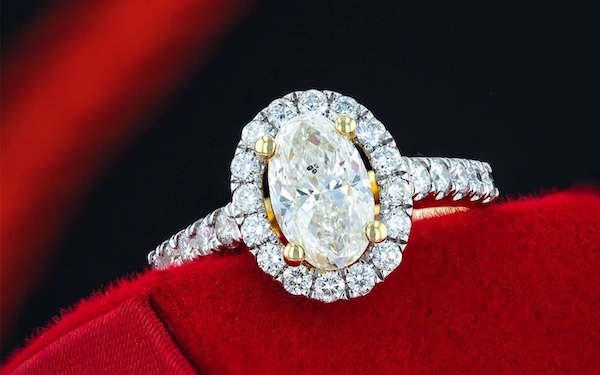
When looking at diamond color, it's essential to consider the setting in which the diamond will be placed. For example, a diamond with a slightly warmer color may look stunning in a yellow gold setting, while a colorless diamond may appear dull in the same setting. Ultimately, the choice of diamond color comes down to personal preference and budget.
Understanding Diamond Clarity
Diamond clarity refers to the presence of imperfections within the diamond, known as inclusions, and on its surface, known as blemishes. The GIA grades diamond clarity on a scale from Flawless (no inclusions or blemishes visible under 10x magnification) to Included (inclusions and blemishes visible to the naked eye).
It's essential to note that most diamonds have some level of inclusions and blemishes, and they are usually not visible to the naked eye. When selecting a diamond, it's crucial to find a balance between clarity and budget. A slightly included diamond can still be beautiful and sparkly, especially if the inclusions are minimal and strategically placed.
How to Choose the Right Diamond Color and Clarity
When choosing a diamond, it's essential to consider your budget, personal preferences, and the type of jewelry the diamond will be set in. For example, an engagement ring may benefit from a higher color and clarity grade, while a cocktail ring or pendant may allow for more flexibility.
It's also important to remember that the diamond color and clarity scale are just two of the 4Cs to consider when purchasing a diamond. The cut of the diamond, which refers to how well the diamond reflects light, and the carat weight, which refers to the size of the diamond, are equally important factors to take into account.
In conclusion, understanding the diamond color and clarity scale is essential when purchasing a diamond. By considering your budget, personal preferences, and the type of jewelry the diamond will be set in, you can make an informed decision that will result in a beautiful and valuable diamond that you will cherish for years to come.