Biotechnology and genetic engineering are two cutting-edge fields that have revolutionized many aspects of our lives. From advancements in medicine and agriculture to environmental sustainability, these technologies have the potential to reshape the world as we know it. In this article, we will delve into the exciting world of biotechnology and genetic engineering, exploring the science behind it, the applications it has, and the ethical considerations that come with it.
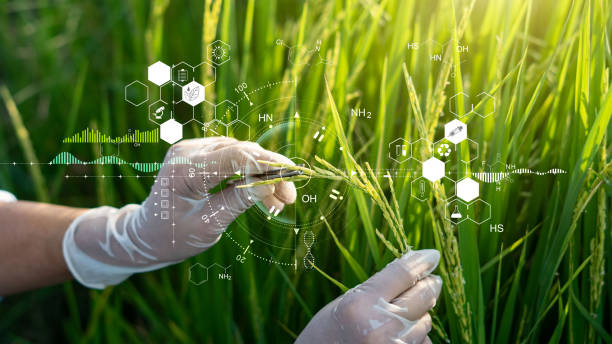
What is Biotechnology and Genetic Engineering?
Biotechnology is the use of living organisms or their derivatives to create products or improve processes. Genetic engineering, on the other hand, involves modifying the genetic material of an organism to achieve a desired trait or characteristic. Both fields utilize the principles of biology, chemistry, and engineering to manipulate organisms at the molecular level.
The Role of Biotechnology in Medicine
One of the most significant applications of biotechnology is in the field of medicine. Biotechnological advancements have led to the development of life-saving drugs, personalized medicine, and gene therapies. For example, insulin, a crucial hormone for managing diabetes, is now produced using genetically engineered bacteria. Additionally, gene editing technologies like CRISPR have the potential to cure genetic disorders by correcting faulty genes.
The Impact of Genetic Engineering on Agriculture
Genetic engineering has revolutionized agriculture by creating genetically modified crops that are resistant to pests, diseases, and harsh environmental conditions. These crops have increased yields, reduced the need for chemical pesticides, and improved food security around the world. For instance, genetically modified corn and soybeans have become staple crops in many countries, providing farmers with more reliable harvests.
Ethical Considerations in Biotechnology and Genetic Engineering
While biotechnology and genetic engineering offer tremendous benefits, they also raise ethical concerns. Issues such as genetic discrimination, environmental impact, and the potential for misuse of genetic information must be carefully considered. Striking a balance between scientific advancement and ethical responsibility is essential to ensure that these technologies are used for the greater good.
The Future of Biotechnology and Genetic Engineering
As technology continues to advance, the possibilities in biotechnology and genetic engineering are seemingly endless. From creating genetically modified organisms that can clean up oil spills to developing personalized cancer treatments based on an individual's genetic makeup, the future holds great promise. However, it is crucial that we proceed with caution, taking into account the potential risks and ethical implications of these technologies.
Biotechnology and genetic engineering are paving the way for a brighter and more innovative future. By harnessing the power of science and technology, we can address some of the most pressing challenges facing humanity today. As we continue to explore the vast potential of biotechnology and genetic engineering, it is important to approach these advancements with a sense of responsibility and mindfulness. Together, we can shape a world where science and ethics go hand in hand, creating a better tomorrow for generations to come.