Are you a senior aged 55 and above looking to take control of your digestive health and beat diverticulitis? Look no further! In this comprehensive guide, we will cover everything you need to know about managing diverticulitis, from effective treatments to dietary strategies and lifestyle changes. Let's dive in and explore how you can live a happier, healthier life by managing your digestive health effectively.
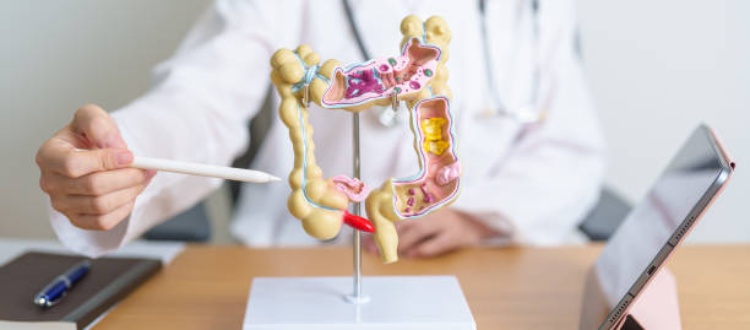
What is Diverticulitis?
Diverticulitis is a condition that occurs when small pouches, called diverticula, form in the walls of the colon and become inflamed or infected. This can lead to symptoms such as abdominal pain, bloating, constipation, diarrhea, and even fever. While diverticulitis can be a painful and uncomfortable condition, there are ways to manage it effectively and reduce the frequency and severity of flare-ups.
Symptoms of Diverticulitis
• Abdominal pain, especially in the lower left side
• Bloating and gas
• Changes in bowel habits (constipation or diarrhea)
• Fever and chills
• Nausea and vomiting
Treatment Options for Diverticulitis
When it comes to managing diverticulitis, there are several treatment options available, depending on the severity of your symptoms. In mild cases, your doctor may recommend rest, a clear liquid diet, and over-the-counter pain medication. However, in more severe cases, antibiotics or even surgery may be necessary to treat the infection and prevent complications.
Dietary Strategies for Managing Diverticulitis
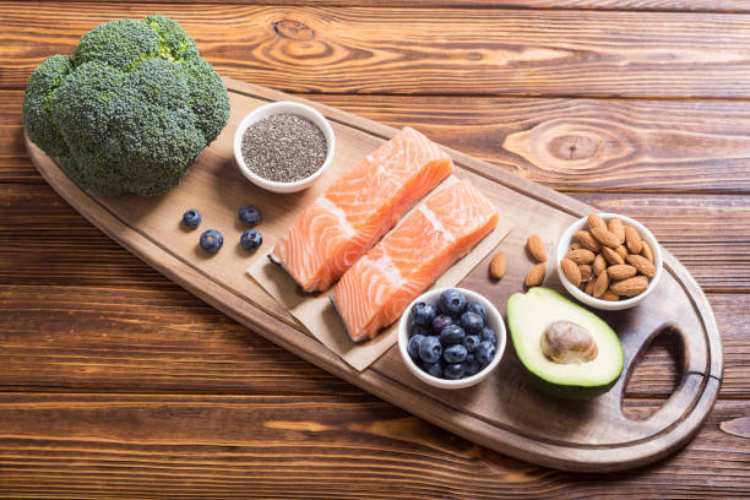
Diet plays a crucial role in managing diverticulitis and reducing the risk of flare-ups. Here are some dietary strategies to consider:
1 High-Fiber Foods: A high-fiber diet can help keep your digestive system running smoothly and reduce the risk of diverticulitis flare-ups. Include plenty of fruits, vegetables, whole grains, and legumes in your diet.
2 Hydration: Drink plenty of water to help prevent constipation and keep your digestive system healthy.
3 Probiotics: Probiotic-rich foods such as yogurt and kefir can help promote a healthy balance of gut bacteria and reduce inflammation.
Lifestyle Changes for Better Digestive Health
In addition to diet and medication, there are several lifestyle changes you can make to manage diverticulitis effectively:
• Regular Exercise: Regular physical activity can help improve digestion and reduce the risk of constipation.
• Stress Management: Stress can exacerbate digestive issues, so finding ways to manage stress, such as meditation or yoga, can be beneficial.
• Quit Smoking: Smoking can worsen digestive problems, so quitting smoking can help improve your overall digestive health.
By following the tips and strategies outlined in this guide, you can take control of your digestive health after 55 and beat diverticulitis. Remember to consult with your doctor before making any significant changes to your diet or lifestyle, and don't hesitate to seek medical treatment if you experience severe or persistent symptoms. With the right approach, you can manage diverticulitis effectively and enjoy a happier, healthier life! Remember, your digestive health is essential at any age, so take control of it now and live your best life!