As we age, oral health becomes increasingly important, yet many seniors are unaware of crucial facts about tooth decay that could impact their dental well-being. In this article, we'll delve into five surprising facts about tooth decay that every senior should know, along with essential tips for prevention and management.

1. Tooth Decay Is Not Just for Kids: While commonly associated with children, tooth decay can affect individuals of any age, including seniors. In fact, aging increases the risk of tooth decay due to factors such as reduced saliva production, receding gums, and a higher prevalence of gum disease. Seniors must remain vigilant about their oral hygiene to prevent decay and maintain healthy teeth and gums.
2. Dry Mouth Increases the Risk of Decay: Many seniors experience dry mouth, a condition characterized by insufficient saliva production. Saliva plays a crucial role in neutralizing acids and washing away food particles that can contribute to tooth decay. Seniors with dry mouth should stay hydrated, chew sugar-free gum, and consider using saliva substitutes or prescription medications to alleviate symptoms and reduce their risk of decay.
3. Medications Can Contribute to Decay: Certain medications commonly prescribed to seniors, such as antihistamines, diuretics, and antidepressants, can have side effects that impact oral health. These medications may cause dry mouth, increase sugar cravings, or interfere with saliva production, all of which can contribute to tooth decay. Seniors should discuss any concerns about medication side effects with their healthcare provider and take proactive steps to protect their dental health.
4. Receding Gums Expose Teeth to Decay: As we age, gums naturally recede, exposing the roots of the teeth to potential decay. Receding gums can result from factors such as gum disease, aggressive brushing, or genetic predisposition. Seniors with receding gums should be especially vigilant about oral hygiene practices, including gentle brushing with a soft-bristled toothbrush and using fluoride toothpaste to strengthen enamel and protect against decay.
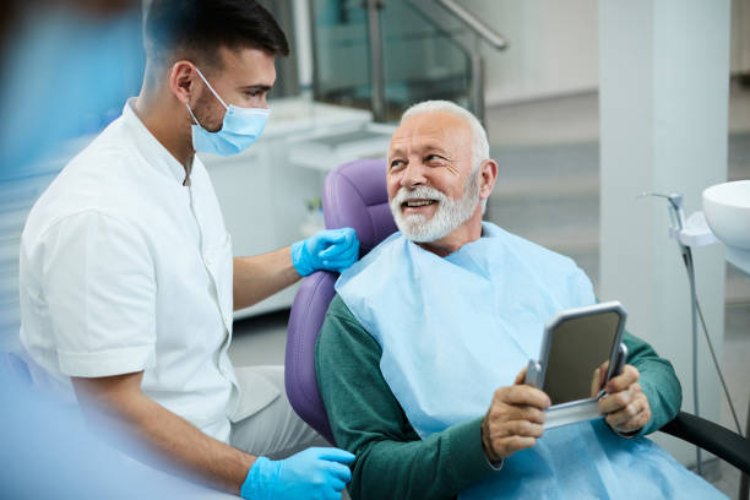
5. Regular Dental Checkups Are Essential: Despite advances in oral healthcare, many seniors neglect regular dental checkups, putting themselves at risk for tooth decay and other oral health issues. Routine dental examinations and cleanings are essential for detecting early signs of decay, addressing gum disease, and maintaining overall oral health. Seniors should aim to visit their dentist at least twice a year for preventive care and prompt treatment of any dental concerns.
In conclusion, seniors must be aware of the surprising facts about tooth decay and take proactive steps to protect their oral health as they age. By practicing good oral hygiene, staying hydrated, monitoring medication side effects, and prioritizing regular dental checkups, seniors can reduce their risk of decay and enjoy a healthy smile for years to come. Click to uncover more essential tips and insights for maintaining optimal dental health in your senior years!