In today's fast-paced world, salty snacks and processed foods have become a staple in many people's diets. However, the excessive consumption of salt can have serious implications for our health. From high blood pressure to heart disease and kidney problems, the risks of consuming too much salt are numerous and significant. Understanding the impact of salt on our bodies is crucial for making informed choices about our diet and overall well-being.
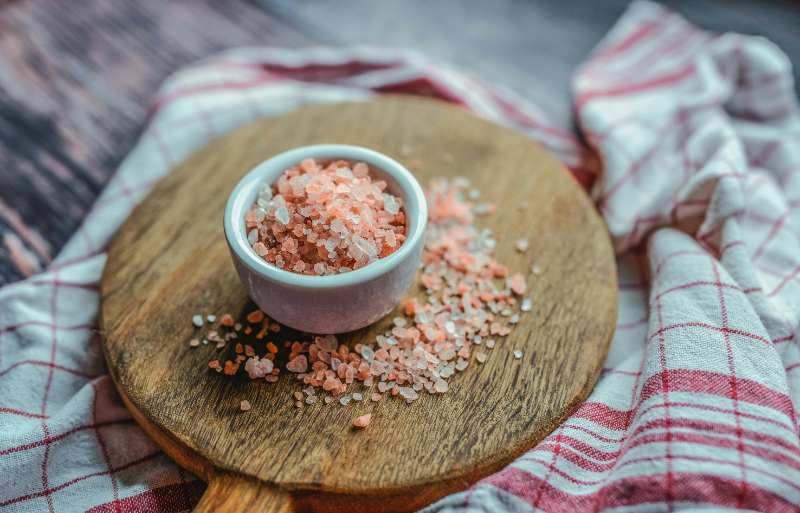
The Risks of Excessive Salt Consumption:
High Blood Pressure: Excessive salt intake is directly linked to high blood pressure, also known as hypertension. When we consume too much salt, our bodies retain water to dilute the sodium levels in our bloodstream. This extra fluid puts a strain on our blood vessels, leading to increased blood pressure. Over time, high blood pressure can damage the arteries and increase the risk of heart attack, stroke, and other cardiovascular diseases. Heart Disease: In addition to high blood pressure, excessive salt consumption is also associated with an increased risk of heart disease. The excess sodium in our bodies can cause the heart to work harder, leading to a thickening of the heart muscle and an inability to pump blood effectively. This can result in heart failure, coronary artery disease, and other serious heart conditions. Kidney Problems: The kidneys play a crucial role in regulating our body's salt and water balance. When we consume too much salt, the kidneys have to work overtime to excrete the excess sodium. Over time, this can lead to kidney damage and an increased risk of kidney stones, kidney disease, and other renal complications.
Identifying Hidden Salt in Processed Foods:
Many processed foods contain high levels of hidden salt, making it challenging to monitor our daily intake. To make informed choices about our diet, it's essential to be able to identify these hidden sources of salt. Some common culprits include canned soups, sauces, frozen meals, deli meats, and fast food. Reading nutrition labels and choosing low-sodium alternatives can help reduce our overall salt consumption.
Tips for Adopting a Low-Sodium Diet:
Making the switch to a low-sodium diet doesn't have to be daunting. By incorporating fresh fruits and vegetables, whole grains, lean proteins, and healthy fats into our meals, we can reduce our salt intake while still enjoying delicious and nutritious food. Experimenting with herbs and spices, cooking at home more often, and being mindful of portion sizes can all contribute to a lower sodium diet and improved health outcomes.
In conclusion, the impact of excessive salt consumption on our health cannot be understated. From high blood pressure and heart disease to kidney problems, the risks associated with consuming too much salt are serious and far-reaching. By understanding the detrimental effects of salt on our bodies, identifying hidden sources of salt in processed foods, and adopting a low-sodium diet, we can make informed choices that prioritize our cardiovascular and overall well-being. Remember, moderation is key when it comes to salt intake, so let's aim to strike a healthy balance and take charge of our health today.